How Remote Staffing Differs from Outsourcing
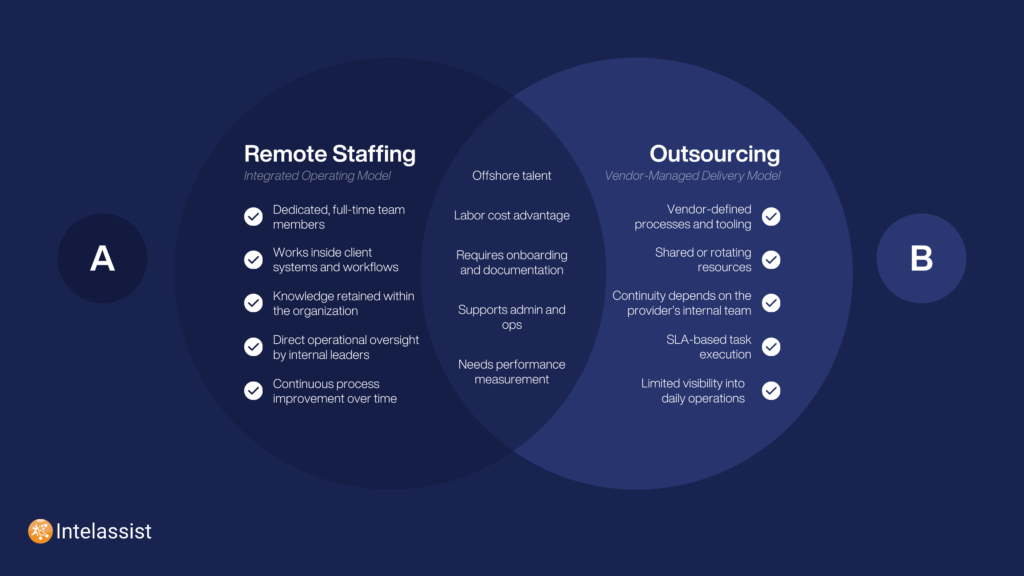
Remote staffing and outsourcing are often treated as interchangeable, but they operate very differently in practice. This article breaks down how each model affects ownership, accountability, knowledge retention, and long-term performance, helping operational leaders choose the structure that best supports sustainable execution rather than short-term capacity relief.
Construction, Engineering, and Architecture in 2026: Scaling Without Overhiring

Construction, engineering, and architecture firms are facing intense labor shortages, project volatility, and rising costs in 2026. With demand requiring hundreds of thousands of additional workers, many firms are shifting from traditional hiring to flexible workforce models. Remote specialists for estimating, documentation, and back-office operations help firms scale with project cycles, reduce bottlenecks, and improve bid accuracy without overstaffing. Hybrid staffing strategies that combine on-site teams with remote experts are emerging as the most effective way to protect margins, reduce burnout, and maintain project quality in a tight labor market.
Healthcare Operations in 2026: The Growing Role of Remote Teams in Revenue, Compliance, and Patient Experience

Healthcare organizations heading into 2026 face sustained staffing shortages, mounting revenue cycle complexity, and increasing regulatory scrutiny. While clinical roles remain difficult to fill, high turnover in administrative functions like patient access and billing is now a major risk to financial stability and patient experience. Many providers are turning to remote administrative teams and technology-enabled workflows to improve accuracy, reduce burnout, and support long-term operational resilience.
How Offshore Support Can Strengthen Endpoint Security
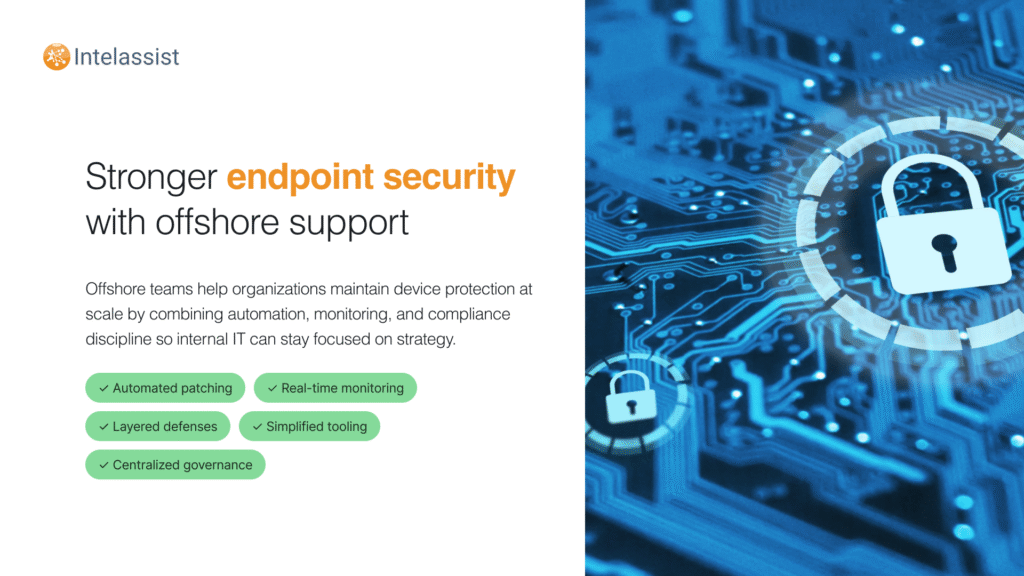
Offshore IT support can strengthen endpoint security by ensuring consistent patching, global monitoring, audit readiness, and reduced operational complexity—while freeing internal leaders to focus on strategy.
7 Ways Offshore Helpdesk Teams Enforce IT Policy Without Compromising Control
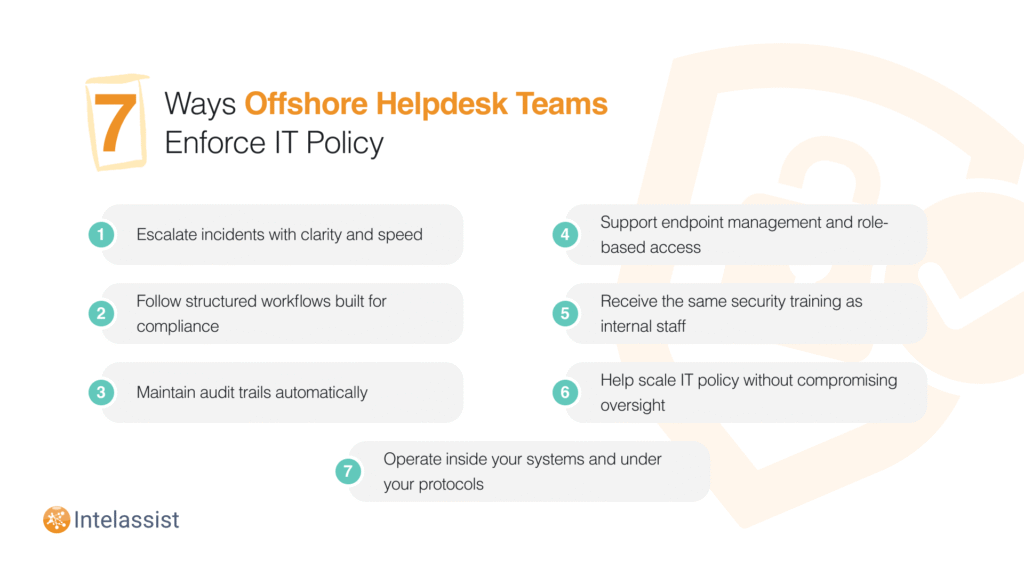
Offshore helpdesk teams can be key enforcers of IT policy when structured properly. From clear incident escalation and standardized workflows to maintaining audit trails and supporting endpoint security, global support teams help scale IT functions securely. With proper training and integration inside your systems, offshore teams uphold compliance without compromising control or visibility across borders and time zones.
Maintaining Security Standards Across Global Teams
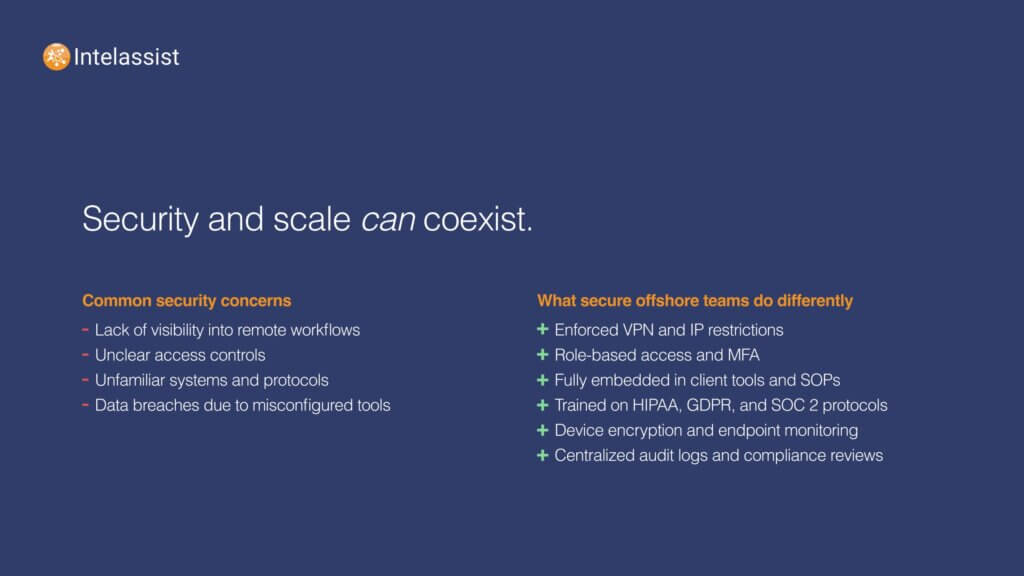
As organizations expand offshore staffing in finance, HR, and IT, maintaining data security is a top concern. By adopting Zero Trust models, enforcing strict authentication, providing thorough training, and implementing audit-ready controls, companies can safeguard sensitive information while leveraging global talent effectively. Distributed teams don’t mean compromised security — they can drive stronger, more transparent protection across the enterprise.
Revit and AutoCAD expertise is no longer limited to local hires

Firms no longer need to rely solely on local hires for Revit, AutoCAD, or Civil 3D expertise. Integrated remote professionals offer scalable support without sacrificing quality, control, or continuity.
Firms are expanding drafting capacity without expanding their offices

Architecture and engineering firms are boosting drafting output by integrating remote professionals into their workflows—expanding capacity, maintaining precision, and reducing overhead without growing their physical footprint.
Offshoring is helping teams stay, not leave
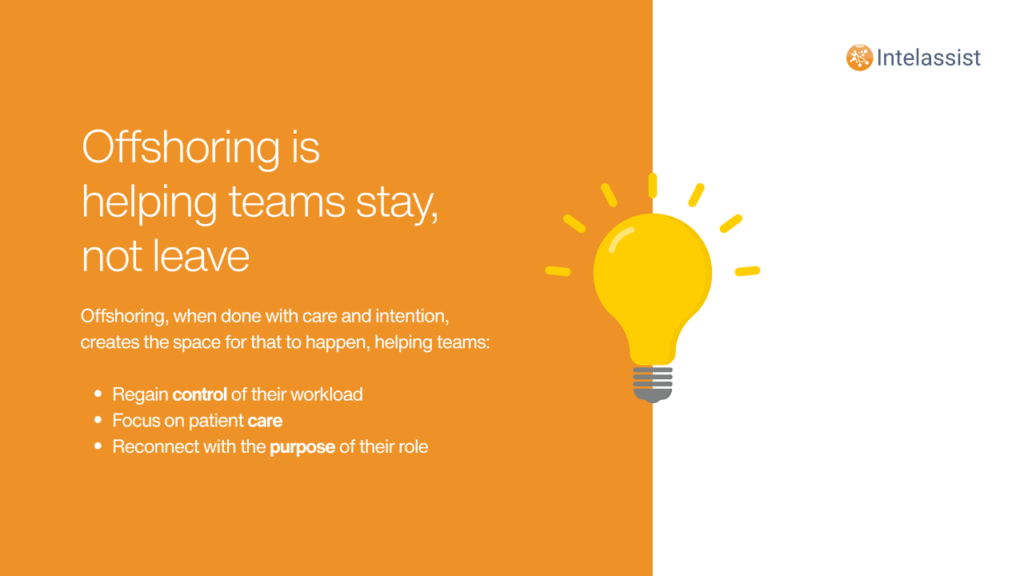
Offshoring isn’t replacing teams—it’s helping them stay. Integrated remote staffing gives healthcare professionals the support they need to manage workload, reduce burnout, and improve long-term retention.
Why front office turnover remains high even in well-run clinics
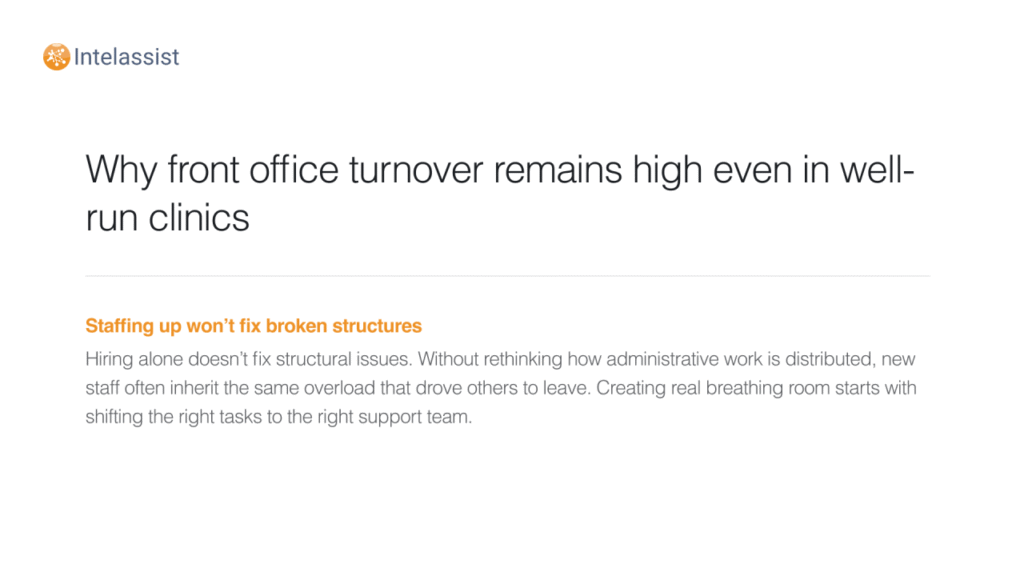
Even well-run clinics struggle with front office turnover—not due to mismanagement, but from structural overload. Learn how remote staffing can reduce pressure and improve long-term retention.