Maximizing Efficiency: The Strategic Reasons Behind Business Offshoring
In the modern world of business, companies are constantly seeking innovative strategies to remain competitive and agile. One such strategy gaining prominence is offshoring – the outsourcing of services or production to external parties, often in distant or neighboring countries. This approach offers opportunities for cost reduction, enhanced efficiency, and strategic focus.
Remote staffing or offshoring, a common business strategy, involves hiring external parties to perform services or produce goods that were traditionally handled in-house. Typically, this entails engaging third-party entities, often located overseas or in neighboring countries. The decision to offshore is prompted by various factors such as a temporary shortage of labor or cost considerations. Regardless of the reason, the primary objective remains consistent: to leverage external expertise and resources to achieve high-quality results in areas where the company faces challenges or limitations.
Why Businesses Opt for Offshoring
The question of why businesses offshore is multifaceted, with several factors influencing the decision. While there isn’t a single universal reason, certain common motivations prevail, contingent on the specific context and needs of each company. Some prevalent reasons include:
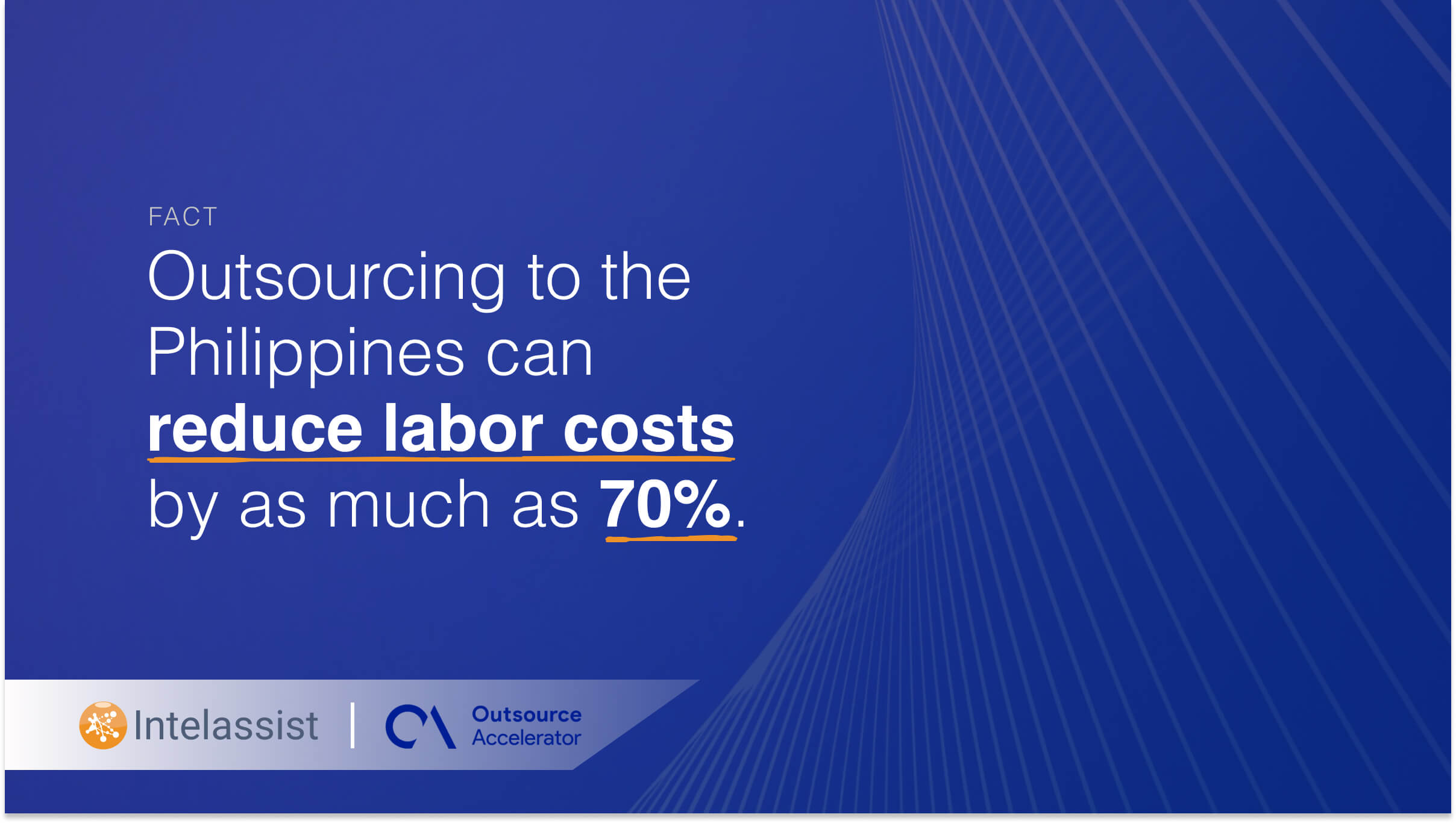
Cost Reduction and Control: The foremost and often primary motivation is to decrease and manage operational costs effectively.
Enhanced Focus: Companies aim to improve their focus on core competencies by delegating non-core functions to external specialists.
Resource Reallocation: Offshoring allows businesses to free up internal resources, redirecting them towards new and strategic purposes.
Efficiency Improvement: External assistance is sought to enhance efficiency in time-consuming functions for which the company lacks adequate resources.
Maximizing External Resources: Leveraging external expertise and capabilities to their fullest extent to achieve optimal results.
Risk Sharing: Partnering with external firms helps in sharing business risks, providing a collaborative approach to addressing challenges.
As companies explore the benefits of offshoring, it is imperative for them to conduct a thorough evaluation of the entire process. While offshoring can offer significant advantages, it is not without potential challenges. Companies must carefully weigh the benefits against the risks and ensure that the chosen offshoring strategy aligns seamlessly with their overall business model.
Partnering with Intelassist
For those considering offshoring solutions, platforms like Intelassist provide valuable assistance. Intelassist offers a comprehensive suite of offshoring services, facilitating seamless collaboration with external partners. In the dynamic landscape of offshoring, informed decision-making and strategic partnerships, as exemplified by Intelassist, are integral to a company’s sustained success. To know more, visit our website at intelassist.com.
Insights
Explore our blog
Dive deeper into related topics and expand your knowledge by exploring these handpicked articles from our blog. Click on any title below to learn more.